Article
New to skiing/snowboarding and wondering what gear you really need to hit the slopes with confidence? Selecting the best beginner ski equipment is key to comfort, performance, and safety from your very first turns. Whether you're carving down groomed runs or navigating beginner terrain, choosing skis, boots, and clothing tailored to your skill level will help you stay warm, balanced, and in control. This practical guide for first-time skiers covers essential ski gear, tips on what to look for in fit and function, and trusted brands to help you build a solid foundation before investing in your ski setup.
Choosing appropriate ski/snowboard equipment supports safety, progression, and enjoyment on the mountain. From helmets that protect your head to skis/snowboards that match your ability, every piece of gear plays a role in your development as a skier or snowboarder. Well-fitted ski boots enhance ankle support and balance, reducing fatigue and injury risk. Thermal base layers and ski socks help regulate body temperature and wick moisture away, keeping you dry and warm throughout the day. Good gear increases comfort, allowing beginners to focus on skill-building rather than battling discomfort. With the right equipment, first-time skiers will gain confidence faster and make each run more enjoyable.
Getting started on the mountain begins with having the right equipment. Whether you choose skiing or snowboarding, beginner-friendly gear should emphasize comfort, control, safety, and ease of progression. The right setup not only boosts confidence but also helps you build strong technique from day one.
Entry-level skis are designed to make learning smoother and more intuitive. Key features include:
Boots play an equally important role in performance and comfort. Look for:
Properly fitted bindings are essential for safety. Ensure they match your ski width and have professionally adjusted DIN settings—typically lower for beginners to reduce injury risk in falls.To keep feet warm and blister-free, wear moisture-wicking ski socks, such as the Merino Wool Blend Ski Sock by Peak Performance, which enhances comfort and thermal regulation.
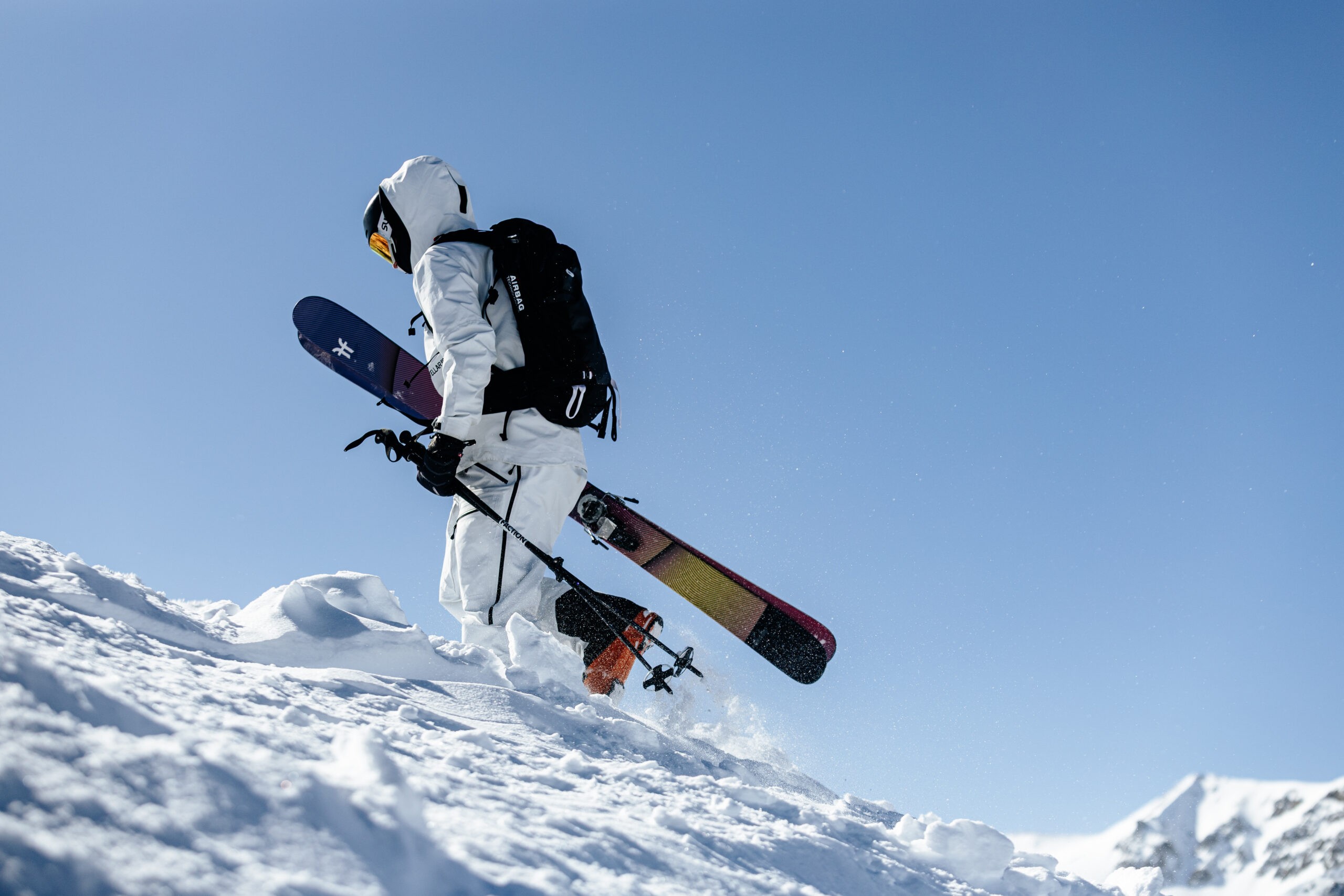
Just like skis, beginner snowboards are built to make turning, stopping, and balancing easier. For your first setup, look for:
Beginner snowboard boots should offer:
Snowboard bindings for beginners typically feature:
As with skiing, moisture-wicking socks are essential for warmth and comfort.
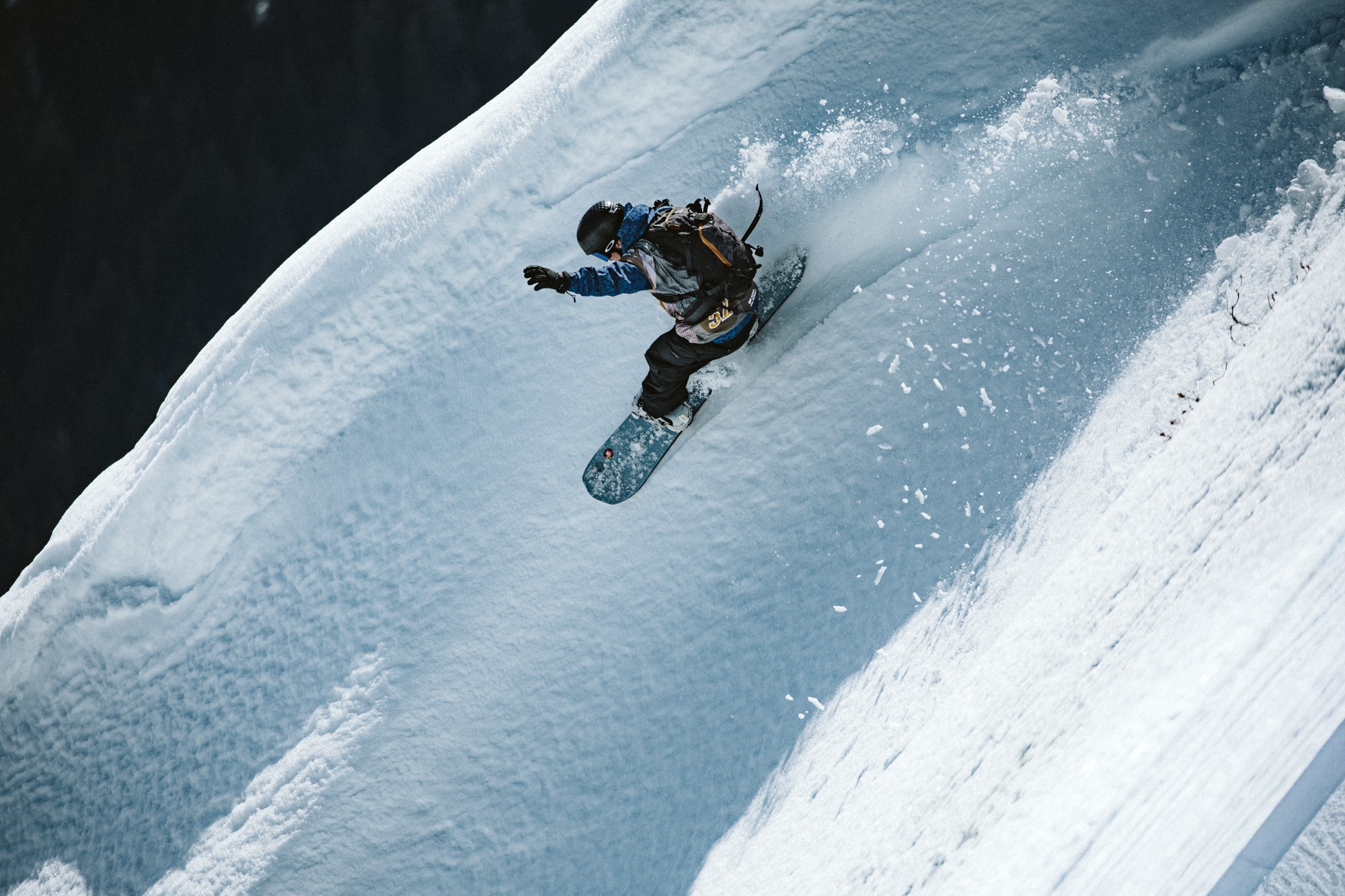
Choose fabrics that pull sweat away from the skin:
Your mid layer retains heat without restricting movement. Popular choices include:
Your shell is your first defense against wind, snow, and moisture. Look for:
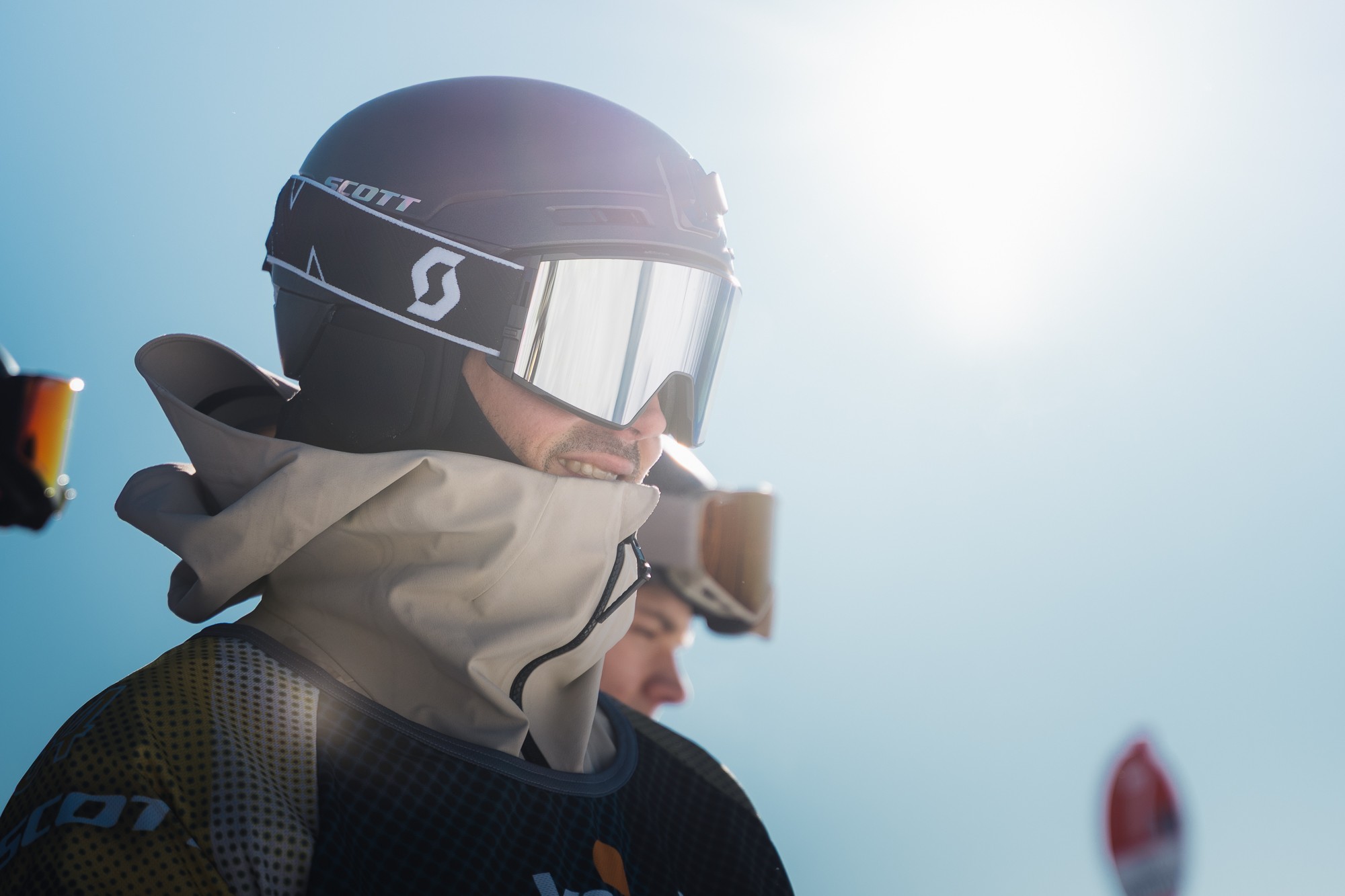
To complete your setup and stay protected:
Choosing the best ski gear for beginners is the first step toward a safe, comfortable, and fun introduction to the world of skiing. With the right equipment, from well-fitting boots and layered clothing to beginner-specific skis, you gain the confidence to progress faster and enjoy every turn on the mountain. As you refine your skills, investing in reliable gear and understanding how to maintain it will elevate your experience and keep you coming back for more. Ready to carve your first lines? Explore more beginner tips and gear recommendations on the Freeride World Tour website and make your journey into freeride skiing unforgettable.