Article
Think you know everything about the FWT? Think again. The 2026 season brings a series of new storylines, key figures, and essential information. Here is a comprehensive overview to ensure you’re fully up to speed and haven’t missed any crucial details.
There are 52 riders competing in the 2026 season of the FIS Freeride World Tour by Peak Performance. These riders are divided into four categories: Snowboard Women, Snowboard Men, Ski Women, and Ski Men.
The season will take riders to six freeride destinations around the world. From the Alps to the Alaskan Range, they will face a variety of mountain terrains and riding conditions.

Across these six destinations, riders will compete in six events, including two finals.

After the first four events, only the top 60% of riders will qualify for the FWT Finals, a pivotal turning point in the season. Rankings are determined by each athlete’s best three results. Those who make The Cut will advance to the two FWT Finals held in Alaska and Verbier.

The season’s champions will be those who deliver the strongest results during the Finals, which take place on two contrasting venues requiring very different styles of riding. To claim the overall title, a rider must prove they can master both types of terrain.
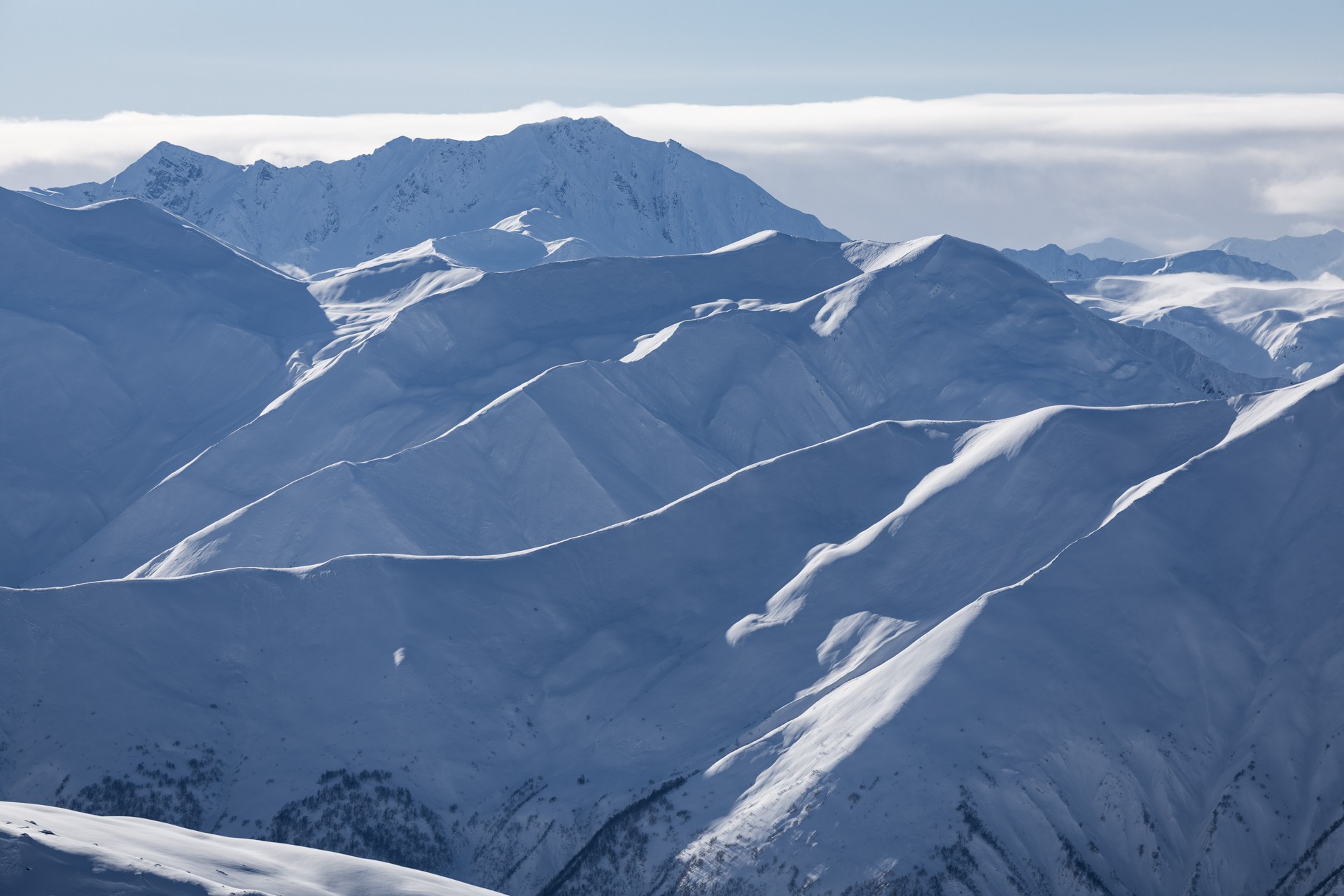
In Alaska, riders navigate expansive backcountry terrain marked by massive spines, deep snow, and wide open faces.
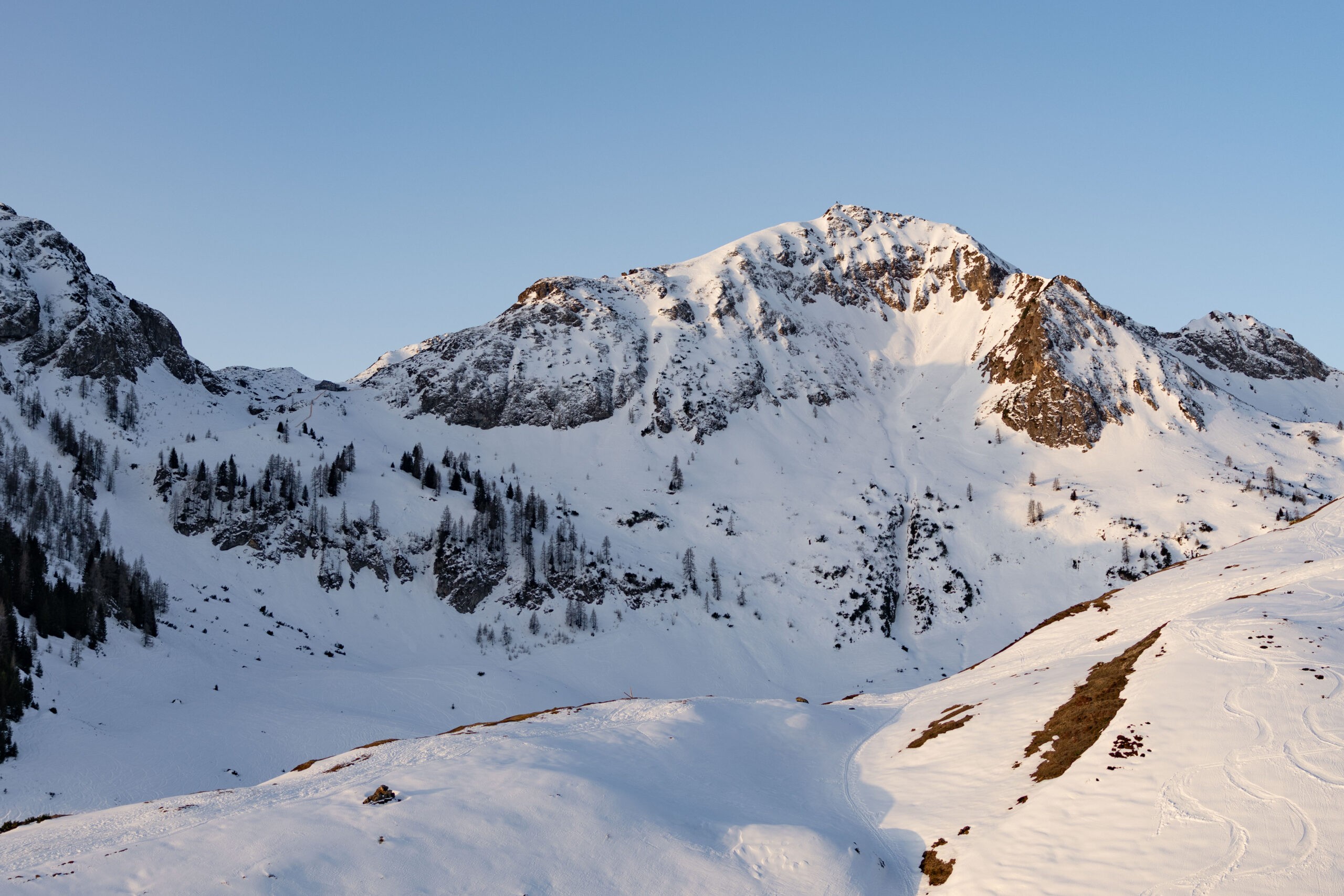
Verbier, on the other hand, demands absolute precision, with steep, technical slopes exceeding 50 degrees and a maze of cliffs and rock features.

The Golden Bib is the Tour’s most coveted symbol, worn by the rider who leads the overall ranking, the one who has accumulated the most points so far. Throughout the season, it can change hands from one stop to the next. The ultimate honor goes to the athlete who claims the Golden Bib after the final stop in Verbier, a tradition that has crowned champions since 2008.